



Top Articles

6 High Dividend ETF Funds You Can Invest In
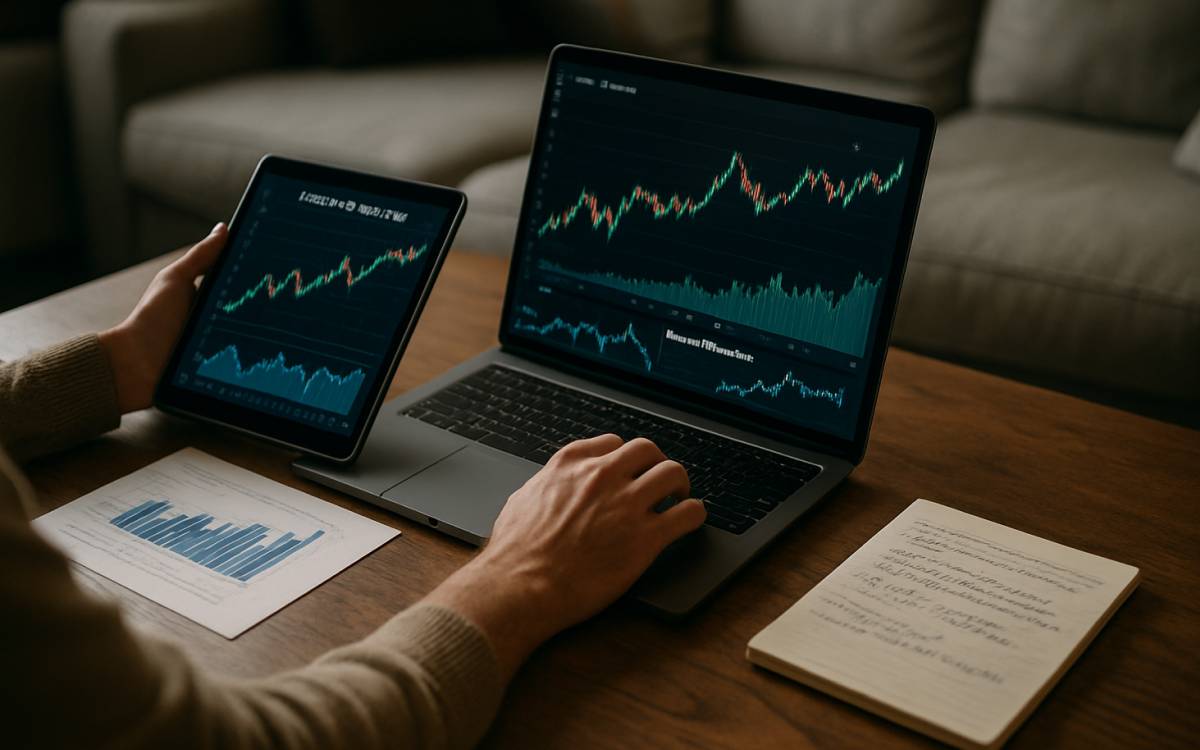
Before you search for the best dividend exchange-traded funds (ETFs), it is recommended you understand your needs and overall investment objectives. ETFs are hybrids of mutual funds and stocks. When you invest in the ETF, you purchase shares in the fund, which buys the underlying asset. Here are six of the best high-dividend ETF funds: Vanguard High Dividend Yield (VYM) This ETF adopts the simple method of choosing stocks that have higher dividend yield when compared to other companies. This has resulted in building a diversified portfolio comprising 400 stocks with higher market capitalization. The majority of these stocks belong to the healthcare, consumer, and financial sectors. During the last decade, VYM delivered average annual returns of 12.9%. The expense ratio is the lowest in the industry at 0.06% per annum. Vanguard Dividend Appreciation (VIG) The ETF focuses on investing in companies that have a long history of increasing their dividend payouts over the years. The portfolio includes approximately 180 stocks with low yields. The ETF has earned average returns of 12.6% per year over the last 10 years. The expense ratio is 0.06%, which makes it an excellent option if you do not mind lower dividend returns currently but want to earn more in the future.
Read More 
Best Investment Options for a Retirement Fund
Retirement is one of the most important periods of life. After retirement, you can enjoy a happy, financially secure life with your family. However, that will require you to have a large enough bank balance that can guarantee financial stability for both you and your loved ones. You need to know the options for the best retirement investments so that you can effectively build the fund you need. Mutual Funds A mutual fund is one of the best investment options you have for retirement fund building. Mutual funds are investment portfolios that include bonds, stocks, and other investment instruments. These funds are managed by experienced and professional managers who invest your money on your behalf and help you get the best possible returns. A great thing about mutual funds is that they offer the flexibility of choosing how much risk you are willing to take. You can build your investment portfolio depending on what kind of growth you want to see and your risk tenacity. You should know that the growth of your mutual fund investment depends a lot on the market situation. However, it is outweighed by the many benefits of mutual funds such as asset allocation, tax benefits, the option to transfer ownership, and low commissions.
Read More 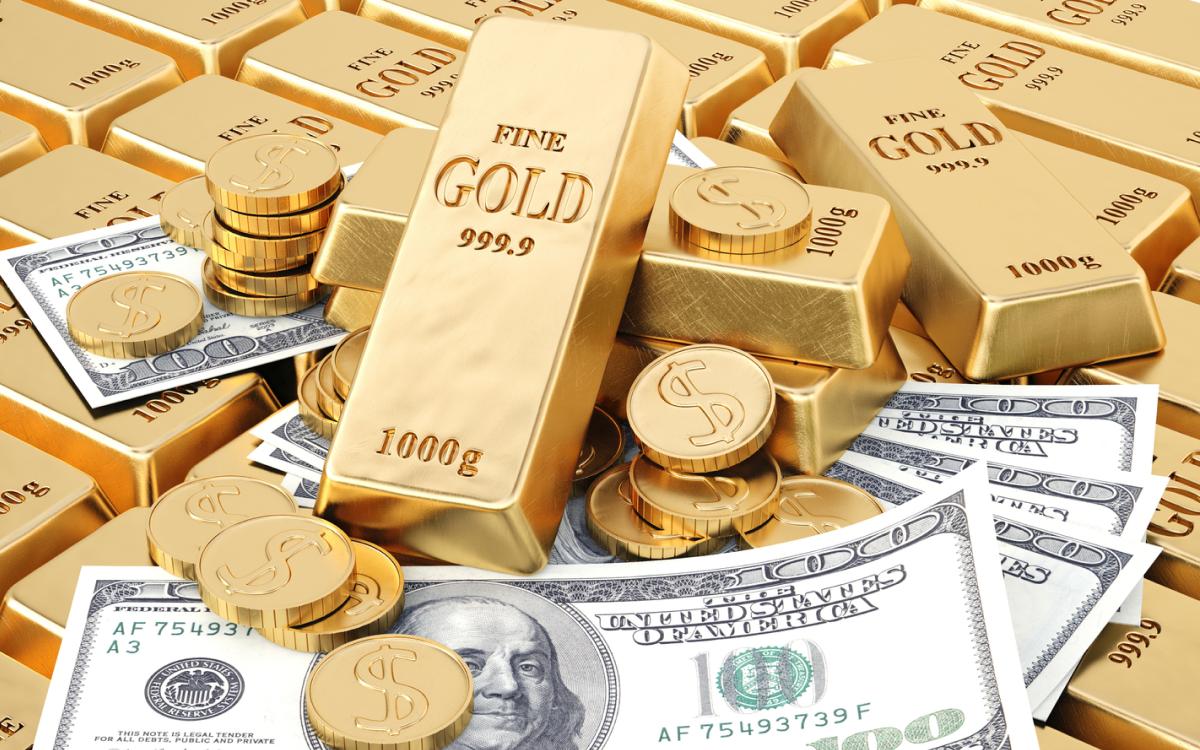
9 Things to Know When Investing in Precious Metals
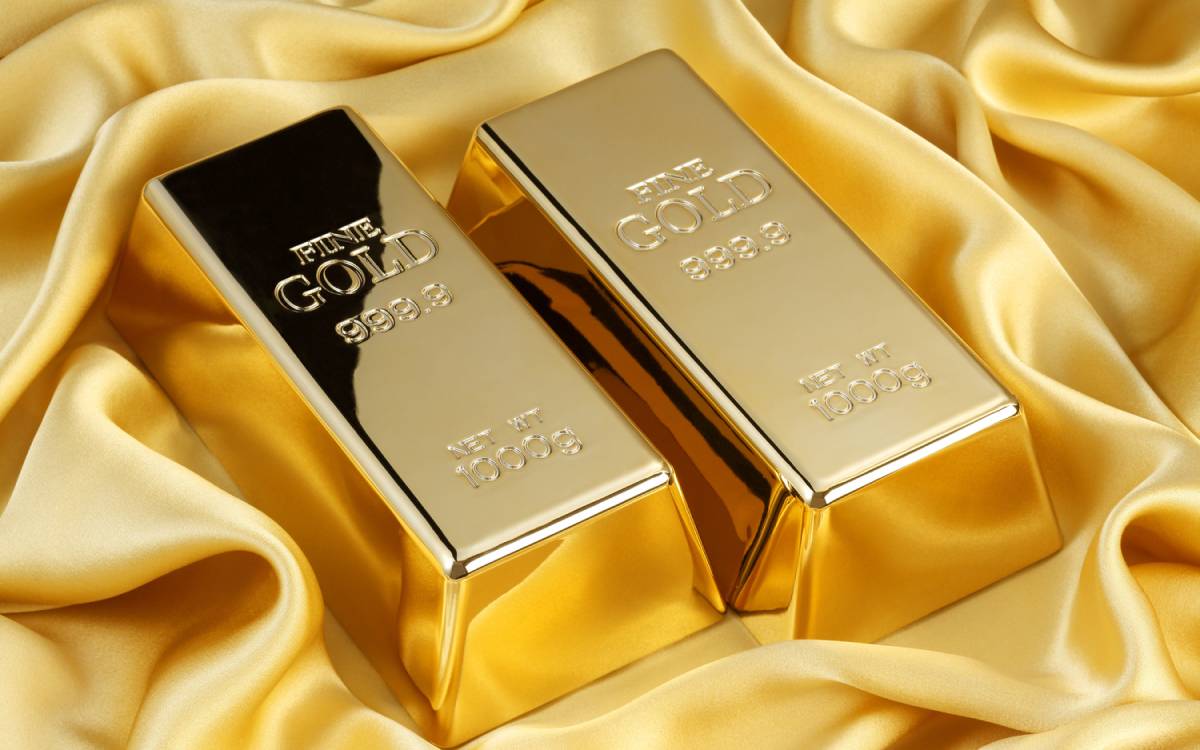
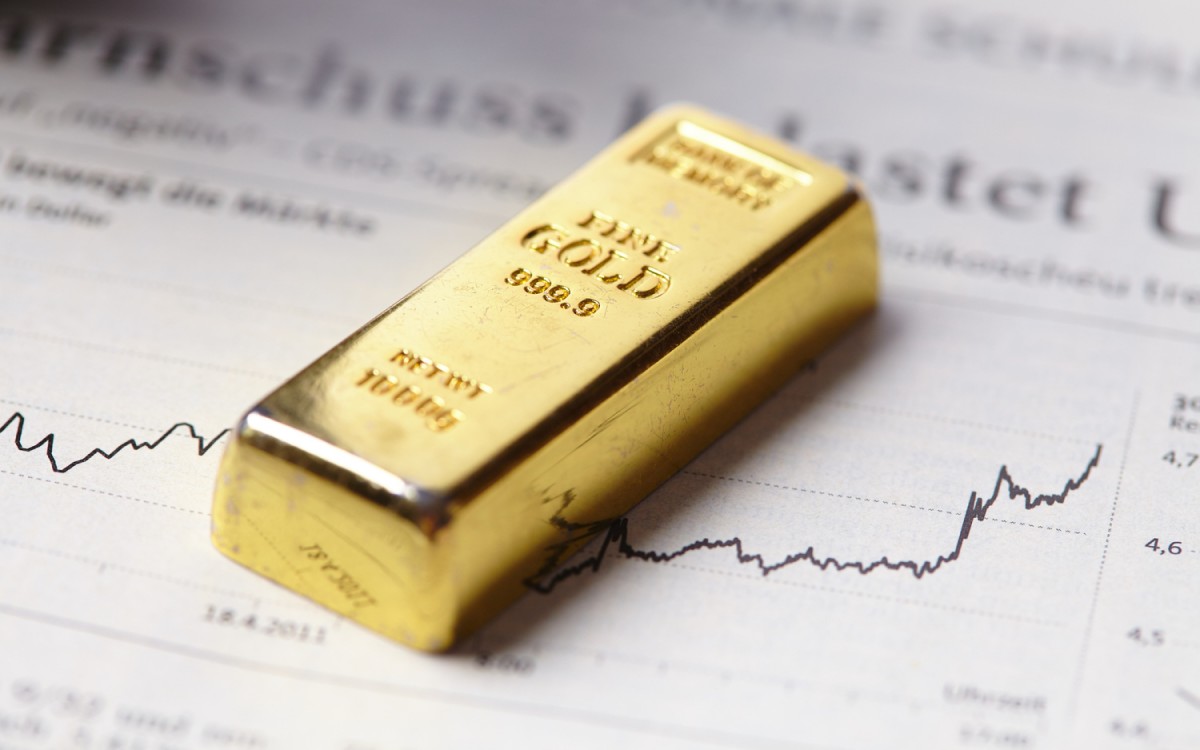
Investing in precious metals is a smart addition to diversifying an investment portfolio. Precious metals are a popular commodity and a less volatile market when compared to stocks. With multiple regulatory authorities and trading platforms, investing in precious metals hassle-free has also become easy today. But there are many points one must consider and be well-informed before investing. Here are some key things to know before investing in precious metals. Understand the Types of Precious Metals Gold, silver, platinum, and palladium are popular precious metals with unique characteristics, market demand, and investing dynamics. Invest only after a thorough comparison. Diversification Precious metals can be an effective way to diversify any investment portfolio. They often have a low association with other assets like bonds and stocks, which can help reduce overall portfolio risk. Storage and Security Physical ownership of precious metals necessitates the need to invest in home security. Options include home safes, bank safety deposit boxes, or third-party storage facilities. Be sure to consider the associated costs and security measures before buying assets. Physical vs. Paper Investments There are two ways to invest in precious metals: purchase physical bullion (coins or bars) or invest through paper investments like exchange-traded funds (ETFs), online futures contracts, or online mining stocks.
Read More 
5 Mistakes to Avoid When Selling or Investing in Cryptocurrency
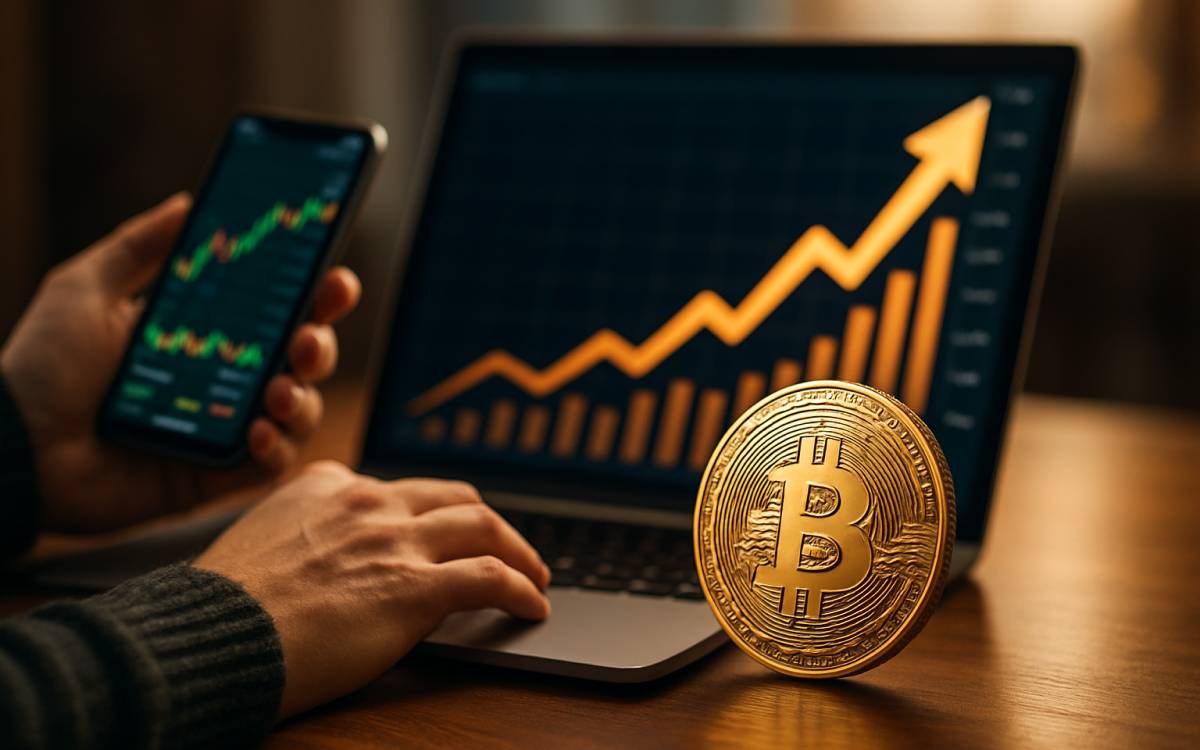
People have been increasingly investing in cryptocurrency, a form of digital currency. Some reasons behind its popularity include the near impossibility of counterfeiting or double spending, cheaper and quicker money transfers, and decentralized systems that don’t collapse due to central issues. Given its quick rise to fame, the market remains volatile, leading to several costly errors. Here are some mistakes to avoid when selling or investing in cryptocurrency to avoid losing money with these investments. Ignoring Trading Costs Market traders make several trades in a day. However, all these trades are not free; they often have a transaction fee. Some payment portals may also charge more for every deposit or withdrawal. Keep an eye out for these costs, which could add up over time and affect profits. Not Working with a Trading Strategy Without a pre-set trading strategy, one is more likely to run into losses. A trading strategy lets one define how to pick tokens and when to buy or sell them. What’s more, this makes trading much easier in the long run. Forgetting About Portfolio Tracking Another common mistake people make is leaving their investments. Keep tabs on the portfolio by tracking returns regularly. Study the state of the market as well to edit trades as needed and maximize returns.
Read More