6 popular shipping services
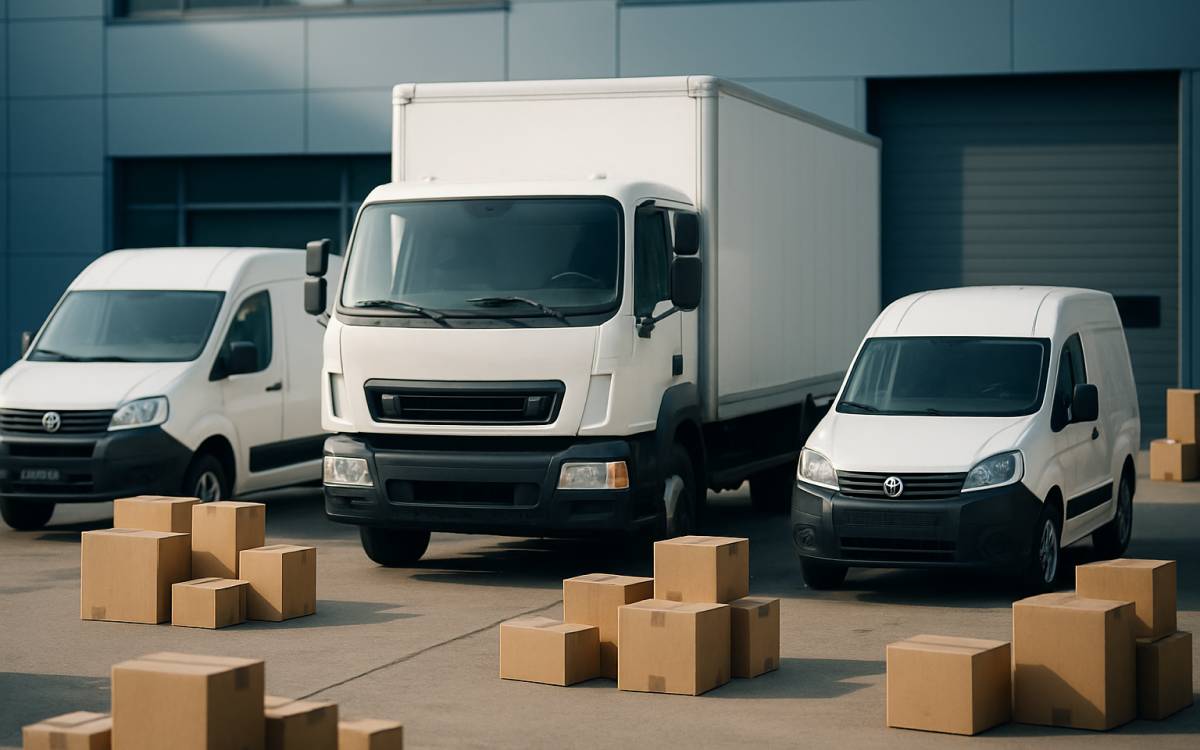
Businesses in the e-commerce, manufacturing, healthcare, and agriculture sectors rely on shipping services to move goods from one place to another. When selecting a shipping carrier for business, speed is a priority, as customers expect quick delivery. But this isn’t the only deciding factor; the shipping partner should also be trustworthy and cost-effective. Reading about the top shipping services can give businesses an idea of what to expect in terms of services and help them make better decisions.
United Parcel Service (UPS) – For efficient technology and infrastructure
A key reason why UPS is so popular is that it uses modern technology to streamline its shipping operations. ORION (On-Road Integrated Optimization and Navigation), for example, is an AI-powered system that this shipping company uses to help its drivers reach their destinations quickly. This system scans over 200,000 routing options daily, factoring in traffic and weather conditions to find the fastest route.
UPS offers both domestic and international shipping, making it suitable for businesses that have expanded or plan to expand their operations abroad. As for perks, businesses can enjoy discounts, free online shipping consultations, and complimentary shipping supplies, such as boxes, labels, and forms.
FedEx – For reliable nationwide deliveries
FedEx is among the largest freight shipping options with an extensive operations network. To ensure efficient services, the company is divided into two divisions: FedEx Express for air delivery and FedEx Ground for surface delivery. FedEx Express operates the largest cargo airline that connects popular business hubs worldwide. On the other hand, FedEx Ground helps businesses ship products within the country.
Other benefits of choosing FedEx include its extensive overnight and two-day shipping options, access to the FedEx mobile app, and documentation and packing services. Businesses that appreciate reliable service and don’t mind paying a slightly higher price should consider this shipping provider.
United States Postal Service (USPS) – For small businesses
Small businesses looking for parcel delivery services can consider USPS. It’s an affordable option that helps startups and small enterprises keep their shipping costs low. Despite being cost-effective, USPS remains reliable. One of its key services is USPS Connect® Local, which offers fast, same-day or next-day delivery for local, small-business customers.
USPS offers several benefits, including a Click-N-Ship tool to print shipping labels online, free shipping supplies, and free package pickup. Businesses can also run direct mail campaigns with Every Door Direct Mail.
DHL – For international shipping
Though DHL offers local shipping, most businesses choose this provider for international deliveries. The company specializes in cross-border shipping, especially on US-to-Europe routes. Its massive airline network helps businesses reach their customers quickly across the world. DHL also specializes in handling international documentation and regulatory compliance, which reduces the risk of customs delays.
Other key services from DHL include warehousing, packaging, and ensuring specialized, temperature-controlled delivery for delicate items. It also offers customs and logistics services through its DHL Global Forwarding division.
OnTrac – For faster, affordable last-mile delivery
E-commerce brands and retailers in search of budget last-mile delivery options, even at the last minute, can consider OnTrac. Rather than charging a premium for quick delivery, OnTrac keeps prices reasonable to compete with generational, larger shipping services.
A key highlight of OnTrac is its Ground Essentials service. This is the brand’s alternative carrier network in the country, catering to businesses that need to complete non-urgent deliveries. Ground Essentials is approximately 30% less expensive than other ground services.
Aramex – Best overall
Aramex is a top shipping service offering global express delivery. Some of its key services include warehousing, inventory management, end-to-end logistics, and freight forwarding by air, sea, and land. The company also offers secure tracking and customs support across more than 600 cities in 70 countries.
Aramex’s services are customizable. This makes it suitable for both large and small businesses, whether they ship products domestically or internationally.