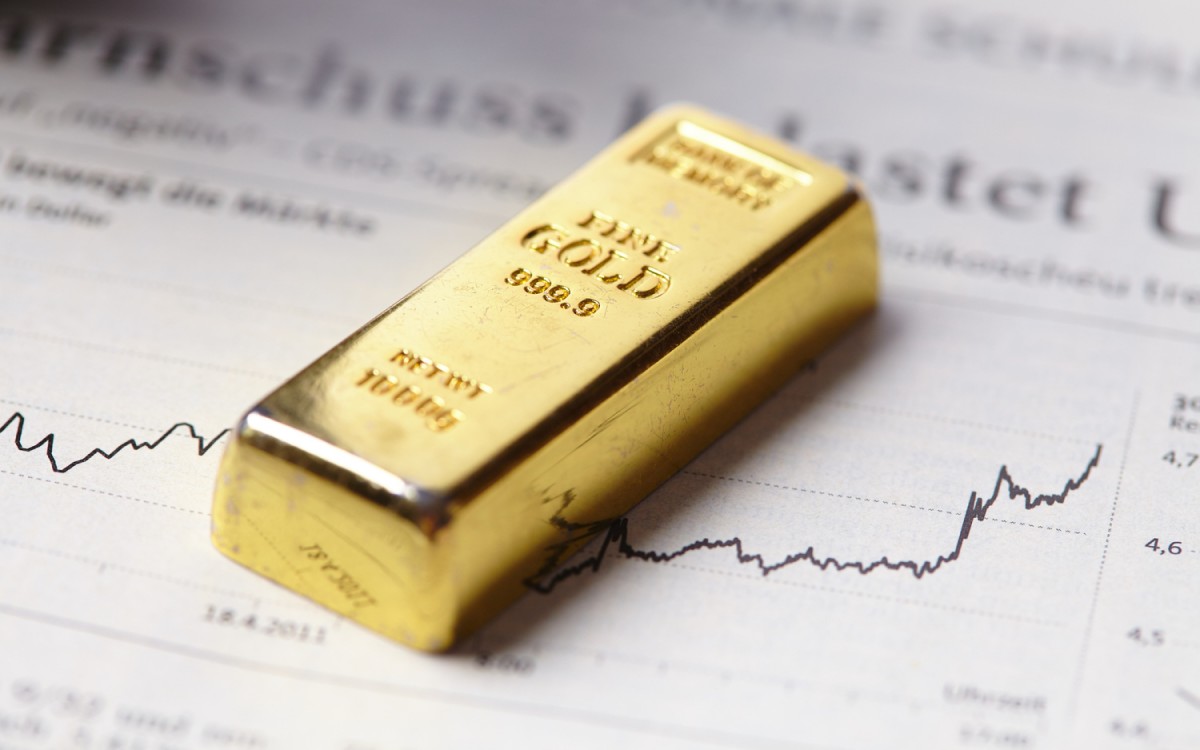
9 Things to Know When Investing in Precious Metals

9 Things to Know When Investing in Precious Metals

Investing in precious metals is a smart addition to diversifying an investment portfolio. Precious metals are a popular commodity and a less volatile market when compared to stocks. With multiple regulatory authorities and trading platforms, investing in precious metals hassle-free has also become easy today. But there are many points one must consider and be well-informed before investing. Here are some key things to know before investing in precious metals.

Understand the Types of Precious Metals

Gold, silver, platinum, and palladium are popular precious metals with unique characteristics, market demand, and investing dynamics. Invest only after a thorough comparison.

Diversification

Precious metals can be an effective way to diversify any investment portfolio. They often have a low association with other assets like bonds and stocks, which can help reduce overall portfolio risk.

Storage and Security

Physical ownership of precious metals necessitates the need to invest in home security. Options include home safes, bank safety deposit boxes, or third-party storage facilities. Be sure to consider the associated costs and security measures before buying assets.

Physical vs. Paper Investments

There are two ways to invest in precious metals: purchase physical bullion (coins or bars) or invest through paper investments like exchange-traded funds (ETFs), online futures contracts, or online mining stocks.

Market Volatility

Market risk is inherent, and external considerations impact the sale and purchase of precious metals. Prices can significantly fluctuate in response to economic and geopolitical events. Be prepared for this volatility and have a clear investment strategy in place.

Long-Term vs. Short-Term Investment

Determine investment goals before investing. Is it simply a short-term hedge against inflation and market instability, or is the investment long-term for growth in the portfolio? Investment goals will directly influence precious metals choices.

Market Research

Stay informed about the factors that affect precious metal prices, such as inflation rates, central bank policies, geopolitical tensions, and currency movements. Research and market analysis are crucial.

Liquidity

Liquidity can vary among different precious metals. Gold and silver are generally more liquid than less commonly traded metals like platinum and palladium. Liquidity matters as more liquid assets can be bought and sold off quickly.

Transaction Costs

Finally, consider transaction costs before buying or selling precious metals. These include dealer premiums, storage fees, and all applicable taxes. These costs directly impact overall returns.

Recent Articles

A Definitive Guide to Hiring an Asset Management Company

A Definitive Guide to Hiring an Asset Management Company

Investment
Building wealth and earning profit are the primary goals of many individuals. However, managing the accumulated wealth and earnings is another significant aspect one should consider while planning finances at the outset, as well as when one begins earning profits. Asset management is the long-term process of maintaining and trading investments by assessing risks, figuring out new opportunities, and setting concrete financial goals. Here’s everything one should know about hiring an asset management company: Functions of an Asset Management Company Portfolio Maintenance An asset management company’s primary responsibility is to organize their clients’ portfolios by investing in a wide range of securities and closely monitoring each based on carefully considering the client’s financial goals, current earnings, expected profits, and risk tolerance. Creating and maintaining a portfolio based on such factors is essential to ensure sustained, long-term profits and minimal risks. Market Analysis A market analysis is essential to understand the current market trends and predicted market performance and fluctuations and analyze one’s risks accordingly. While such information may be available over the internet, asset management companies offer expertise in actively interpreting existing and expected trends and helping mitigate risks effectively. Development of a Financial Strategy Another essential role of asset management companies is to come up with a financial strategy to maximize one’s wealth systematically based on various factors, including the current socioeconomic conditions, possible fluctuations, and risks and returns expected.
10 Strategies That Can Help ESG Investors Make a Difference

10 Strategies That Can Help ESG Investors Make a Difference

Investment
With rising social and environmental issues at the global level, it is each one’s responsibility to do their bit for the greater good.  As investors, the best way to contribute to a noble cause is through Environmental, Social, and Governance (ESG) investments.  ESG investments  involve buying shares and securities only  from companies with high environmental and social responsibility scores.  But one must have a strategy before venturing into ESG investments. Best-in-Class Screening This strategy is also called positive screening. It requires people to invest only in the top companies from specific niches.  One may set certain criteria the companies must meet to qualify  to be in  their portfolio.  For instance, those who invest in the automobile industry may shortlist companies that manufacture vehicles with the lowest carbon dioxide emissions. This way, one can consciously encourage environmentally and socially responsible companies to advance in their journeys. Exclusionary Screening Also called negative screening, this strategy is  the opposite of  best-in-class screening.   It  essentially  involves excluding certain companies or industries from one’s portfolio.  Exclusionary screening is usually based on one’s specific objective related to ESG investments. For example, if one aims to reduce carbon emissions, one may boycott investments in companies that have recorded high carbon footprints in their manufacturing processes.