Real estate options for an office space
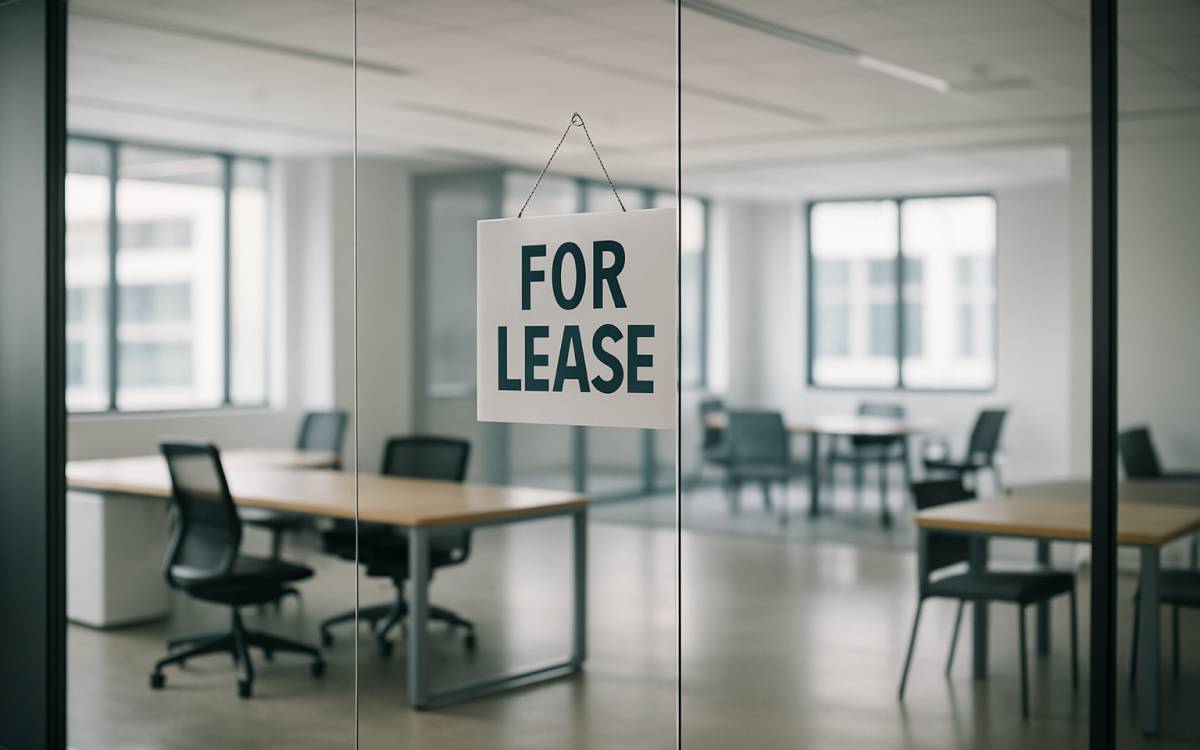
Choosing the right office space is not an easy task nowadays. The industry, type of business, and the product or service being offered are some deciding factors that can come into play when buying or renting a commercial space. So, determining the type of space needed and its current and future requirements is essential. Additional considerations include recurrent costs, location, facilities, and the length of lease one is willing to sign.
Types of real estate for office space
Retail space
This type of real estate space offers businesses an opportunity to establish themselves in a common public-facing area. Whether buying or leasing, these spaces provide a private entrance for visitors/customers, creating a welcoming environment. They are ideal for grocery stores, convenience stores, boutiques, or consultation spaces. Additionally, retail spaces are beneficial for service-based businesses, such as beauty and nail salons and car rental agencies.
Office space
Every company, regardless of its size, requires an office space in some capacity. This space supports functions like management, finance, sales, customer service, and other administrative tasks. Unlike retail spaces, office spaces are typically designed for walk-in traffic, but they can be configured to meet specific needs.
The office layout can also be customized based on the kind of product or service the organization provides. For instance, a training office requires a different setup than a research and development team. Similarly, the setup may vary for service centers, customer support areas, showrooms, or wellness centers.
Industrial spaces
Industrial office spaces are better suited to organizations that already handle production, warehousing, or goods processing. These office spaces may not be fully furnished, especially when compared to retail or other commercial office spaces. So, they might feel cold and lack amenities and decorative features, such as carpets, furniture, or dropped ceilings. That said, they can still serve as functional office space for carrying out finance, accounting, administrative, and other office tasks.
Choosing between buying and leasing
One of the primary decisions to consider before securing an office space is whether to buy or rent real estate. Both options have their own benefits, but the right choice is based on the size, choice, goals, and industry of the business. And above all, the financing options.
Benefits of buying
Buying a commercial property for office setup is a great strategic way of building equity and thinking long-term. It offers benefits like:
Control
Ownership lets businesses modify the office space as needed. It is especially beneficial for industries like law firms, wellness practices, financial service providers, and creative studios to operate without having to worry about the next move.
Costs prediction
Buying comes with a fixed monthly rate and saves office owners from the rising lease rates.
Tax advantages
Owning a commercial property brings tax benefits like property taxes, mortgage interest, and depreciation.
Equity
Owning commercial property lets businesses build equity, and as values rise, they can benefit from long-term appreciation.
Advantages of leasing an office space
Businesses just starting out or seeking flexibility can rent office space instead of outright purchasing.
Less responsibility
Leasing contracts come with property maintenance, giving businesses additional time to focus on operations instead of regular upkeep.
Flexibility
Industries that prioritize rapid growth prefer leasing office space rather than buying. This approach allows them to scale up based on their needs without being tied to an asset in the long-term.
Low initial investment
Renting lets businesses preserve their money, allowing them to reinvest that capital in growing their business, investing in technology, or hiring.
Whether to buy or rent a commercial space, one needs to align with the company’s long-term strategy and goals. Businesses need to consider how long they plan to run their operations in the same location, whether they need custom layouts or specialized real estate builds, and whether they want to become commercial property owners. Before deciding, it is also essential to review local commercial real estate options in the areas under consideration.